
March 4, 2026
Smaller Deals are Not Safer
Small deals feel safer because they look contained. But in many smaller acquisitions, value depends on improvement rather than continuity.
Sure, the smaller deals feel safer because they look contained. Lower price, lower risk. I hear this logic repeatedly in acquisition conversations.
What’s often happening in those moments is a misperception of where the risk exposure actually sits. It doesn’t scale with purchase price. It scales with how much has to change for the deal to work.
In many smaller acquisitions, value depends on improvement rather than continuity. A smaller, founder centric organization is a step function removed from a scalable professionally managed organization. Performance by managers has to lift, operating discipline has to strengthen, and leadership and systems often need attention. All of that lands on the acquiring organization while the business is still expected to run.
In practical terms, the buyer is stepping into a turnaround, whether or not the deal is described that way.
That carries real execution risk. It assumes management capacity, aligned incentives, and the ability to absorb change without distracting from the core business. Those demands are often underestimated because the deal feels affordable.
Larger acquisitions tend to draw more attention because of their size. Many are already stable businesses, able to absorb mistakes without everything having to change at once for value to be preserved. The risk is visible and debated upfront.
A useful question in any acquisition is, “What does this deal require us to become good at, fast?”
That lens surfaces execution risk far earlier than price alone.
When organizations misread where the risk actually lives, they tend to get surprised later.
The surprise isn’t the market or the math. It’s the amount of change they quietly commit to once the deal is underway.
About the author
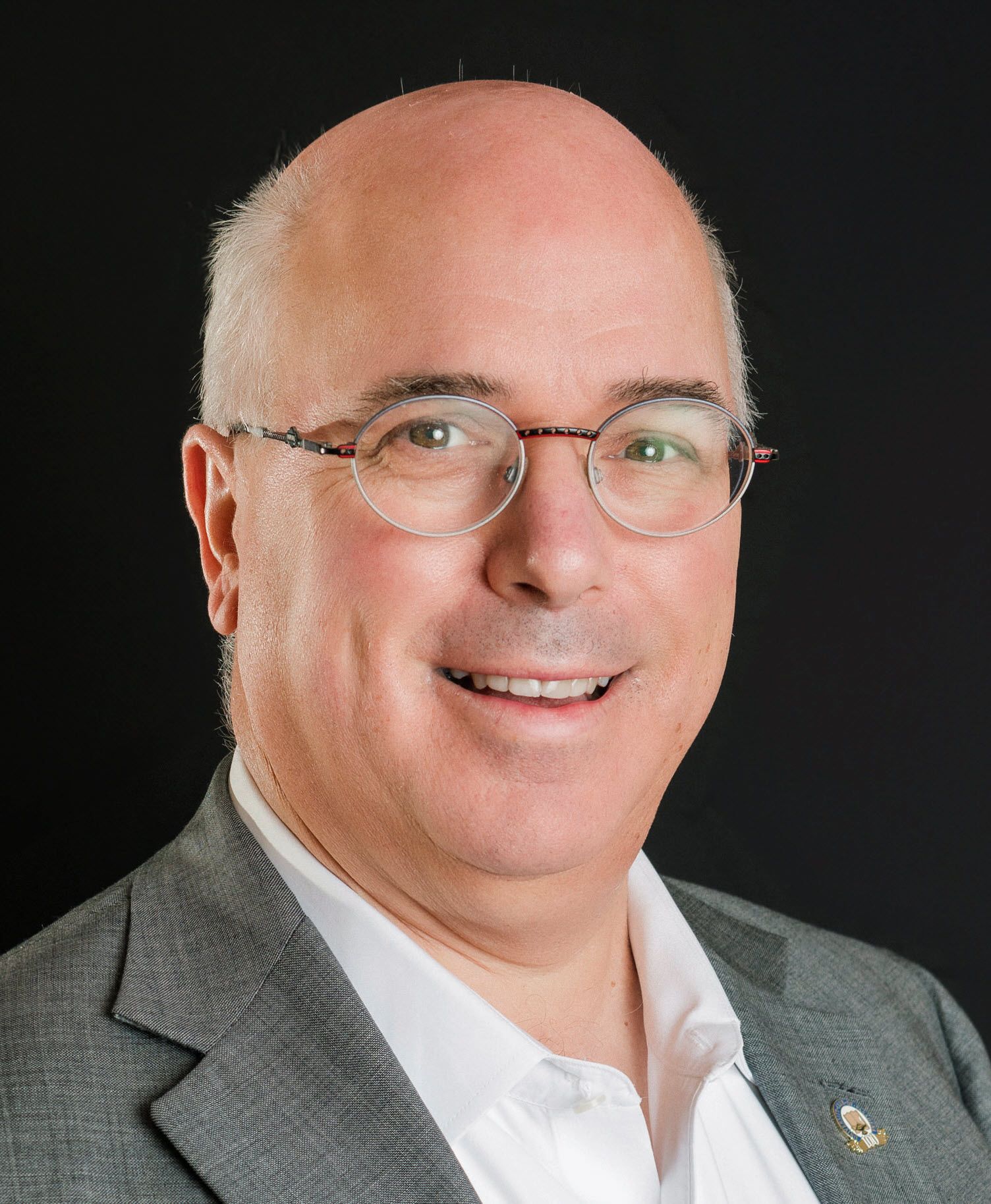
Andy Tomat
Founder
Andy Tomat is a board director and corporate development executive with more than three decades of experience guiding organizations through acquisitions, strategic growth decisions, and financial oversight across industrial technology, automation, robotics, AI, and nonprofit settings.